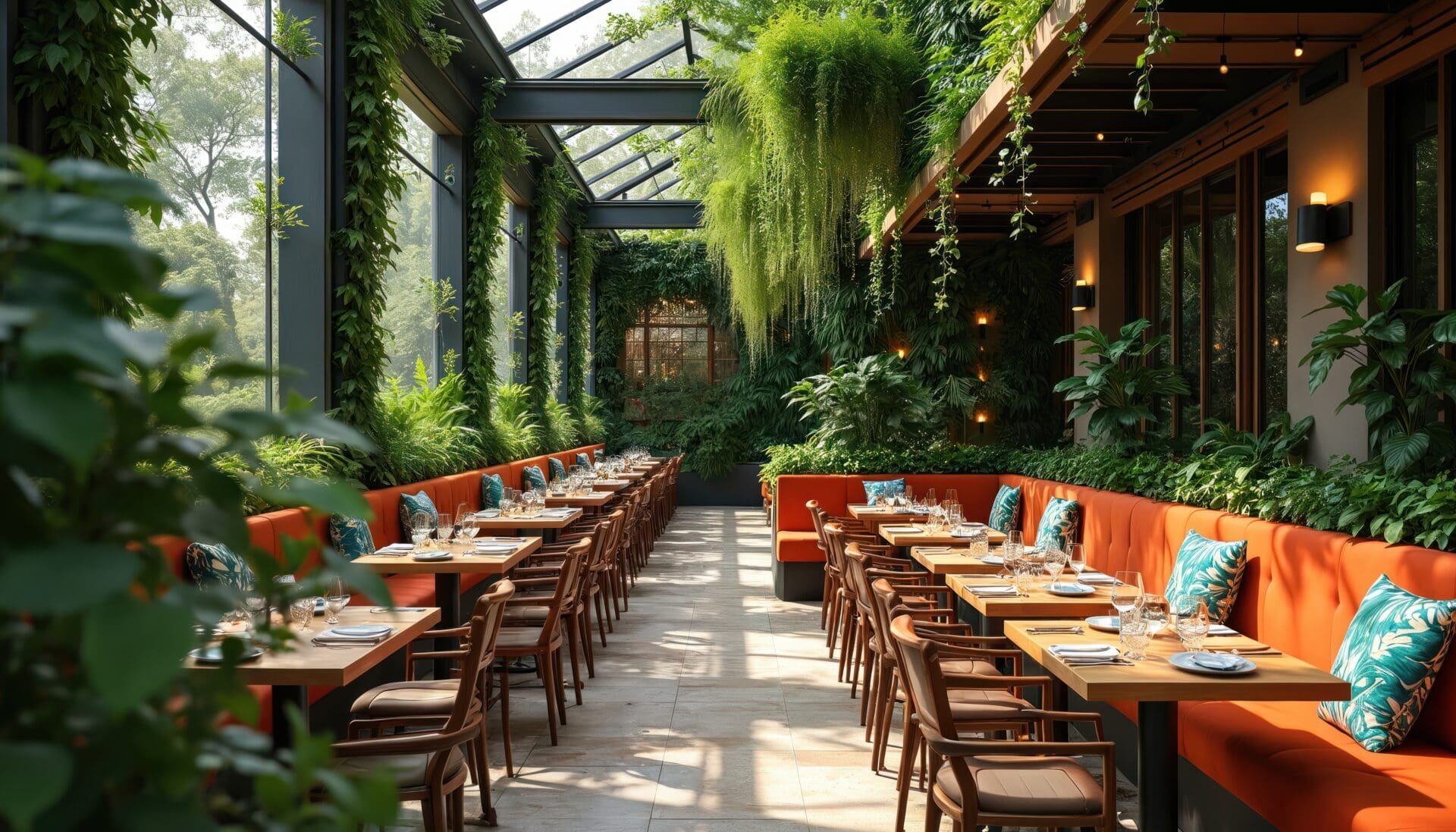
2026 Restaurant Design Trends: Colors, Fonts, and Layouts That Delight Diners


Today’s diners want more than good food, and 2026 design trends are rising to meet those expectations. Guests expect to enter a space that feels intentional, memorable, and aligned with the brand story. Whether a restaurant is casual, upscale, digital-first, or driven by experiences, design plays a major role in how customers perceive value, quality, and comfort.
Below, we explore the color palettes, typography styles, layouts, and branding elements that will define restaurant design in 2026, and how restaurateurs can use these trends to stand out in a crowded market.
Color Palettes of 2026: Comfort Meets Contrast
Color remains one of the most powerful cues in shaping mood, appetite, and brand recall. In 2026, restaurants will lean into palettes that mix grounded warmth with standout moments.
Earthy Neutrals With Vibrant Accents
Warm taupe, soft clay, terracotta, and stone gray paired with a single bold pop such as sunlit yellow, electric teal, or garnet red. These combinations feel timeless while still full of personality.
“Modern Organic” Greens
Sage, basil, eucalyptus, and deep forest tones will be widely used in spaces that embrace natural and wellness-focused dining. These hues connect the food story to the interior environment.
Futuristic Metallics
Brushed brass, copper, and warm gold will stay strong, while cooler tones like pewter, titanium, and champagne chrome make the room feel polished and contemporary.
Monochrome Momentum
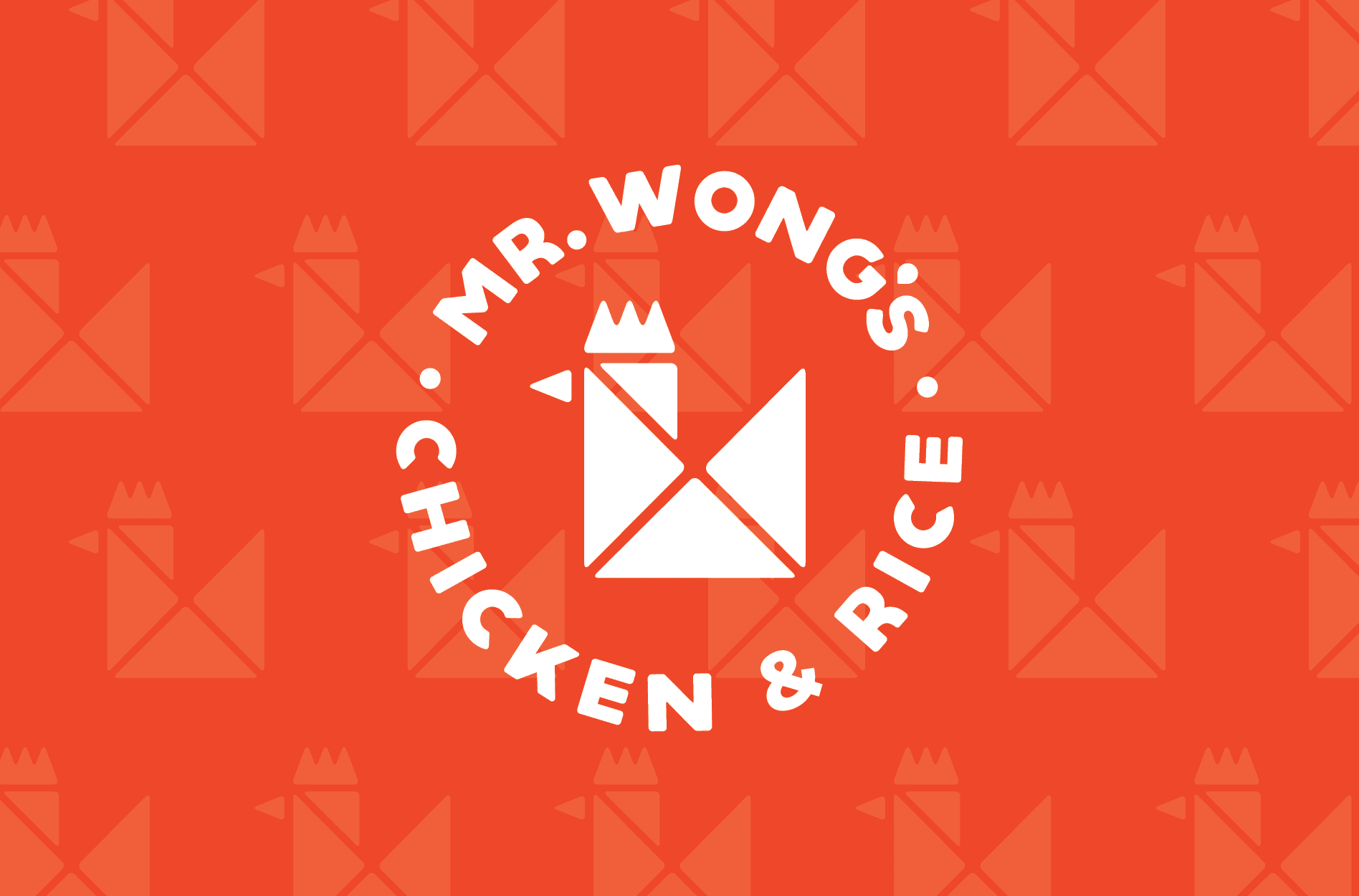
Bold black and white palettes will continue to dominate modern fast-casual concepts. Crisp contrasts communicate efficiency, cleanliness, and an elevated minimalist design.
How to apply this trend:
- Use accent colors sparingly for signage or a feature wall
- Keep earth tones in core elements such as seating and flooring
- Integrate metallics into lighting and hardware details
Typography Trends: Clean, Confident, and Character Driven
Fonts are now as iconic as logos. Typography in 2026 reflects stronger visual identity and consistency across both digital and physical touchpoints.
Bold Sans Serifs for Modern, Casually Upscale Brands
Geometric sans serif fonts are clear, polished, and perfect for sleek interiors and minimal logo styles.
Elegant Serif Typefaces for Heritage Concepts
Serifs are returning to support the “old meets new” movement. They suggest craftsmanship and a slower, refined dining experience.
Hand-Drawn and Script Fonts for Artisanal Charm
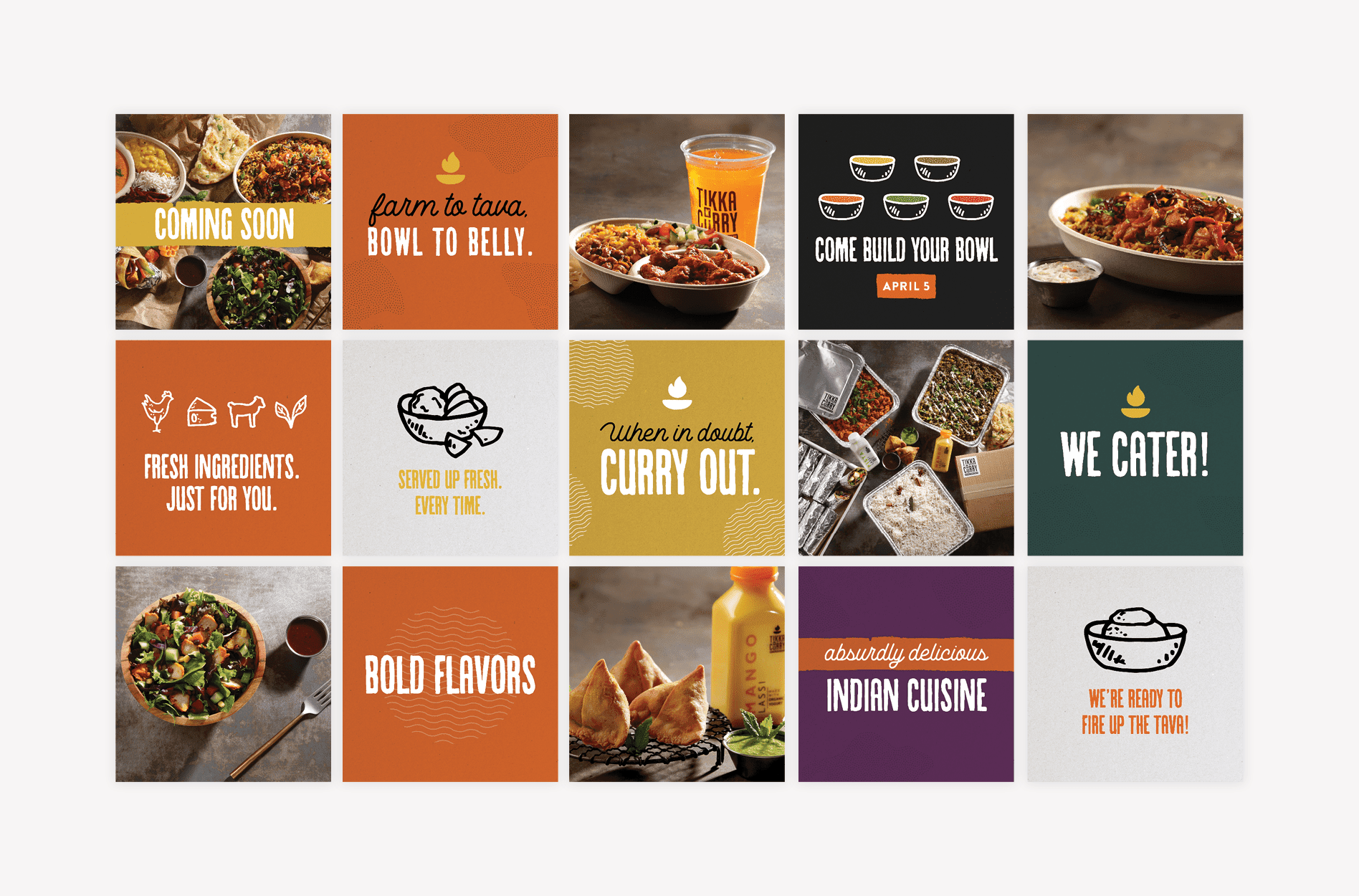
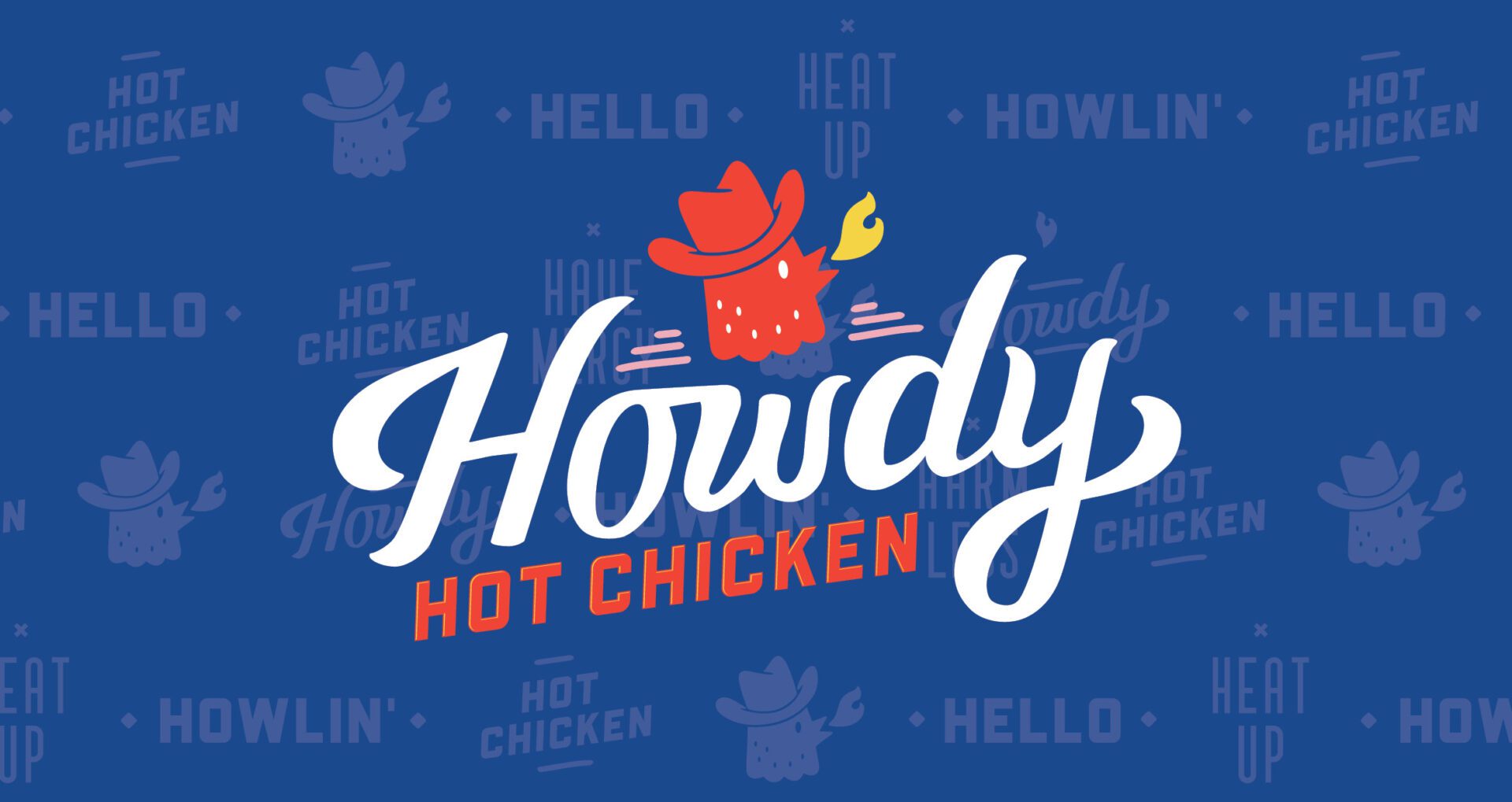
Modern touches of script and textured lettering pair well with cafés, bakeries, and concepts built around personality and handmade quality.
Digital-Forward Legibility
As menu boards and mobile menus expand, accessible type choices are essential. Humanist fonts ensure clarity at any size or lighting level.
How to apply this trend:
- Stick to two or three complementary font families
- Prioritize readability on all digital menus
- Choose type that matches the emotion your brand wants guests to feel
Restaurant Layouts in 2026: Designed for Flow and Experience
Layouts are becoming more dynamic, flexible, and emotion-focused. Diners want comfort, connection, and environments that encourage them to linger.
“Zoned Dining” for Personalized Journeys
Spaces now include micro-environments such as:
- Lounge seating for drinks
- Solo seating for quick visits
- Communal gathering tables
- Quiet pockets for longer stays
This increases dwell time and appeals to a wider range of guest needs.
Open Kitchens With a Softer Approach
Guests still love transparency. Framed windows, softer lighting, and sound balance will make kitchens visible without overwhelming the ambiance.
Textured Booths and Curved Seating
Rounded silhouettes feel welcoming and reduce noise. Curved banquettes are ideal for comfort and intimate conversation.
Multi-Sensory Touchpoints
Look for:
- Ambient lighting that shifts throughout the day
- Greenery walls and biophilic design
- Tactile elements such as plaster, stone, linen, and raw wood
- Soundscapes tailored to the brand personality
How to apply this trend:
- Use curves in furniture to soften the room
- Add greenery wherever possible
- Design zones around how your guests actually dine
Branding: Consistency Is King in 2026
Brand identity must flow seamlessly from your signage to your website to the way a menu feels in hand.
Unified Visual Systems Across Every Touchpoint
From your logo to your Instagram grid, consistency builds trust, recognition, and a cohesive guest experience.
Branded Micro-Moments Guests Share
Examples include:
- Signature wall art or a welcome mural
- A distinct restroom moment
- Custom takeout packaging
- Unique menu design elements
These moments are highly shareable and create deeper brand recall.
Immersive Web Design
Restaurant websites are becoming:
- Highly visual
- Story-driven
- Mobile-first
- Accessibility-minded
Photography, intentional white space, and branded textures help guests experience the restaurant before stepping inside.
Smart Digital Menus and Table Tech
QR menus are becoming more branded and more dynamic, allowing real-time updates without losing design integrity.
Why These Trends Matter
Guests interact with your brand long before they taste your food. They experience your colors, fonts, layout, images, and tone both online and in person. Strong design increases perceived value, builds trust, and helps restaurants rise above busy competition.
Whether you are launching a new concept or refreshing an existing environment, these 2026 trends will help you create a space that feels modern, curated, and unforgettable.
Bring Your 2026 Vision to Life With Nice Branding
Designing a standout restaurant experience takes strategy, creativity, and deep hospitality expertise. Restaurant Branding by Nice specializes in branding that connects every guest touchpoint, from logo to interior to website.
Ready to refresh your restaurant’s look for 2026? Contact us at Nice Branding today to get started.