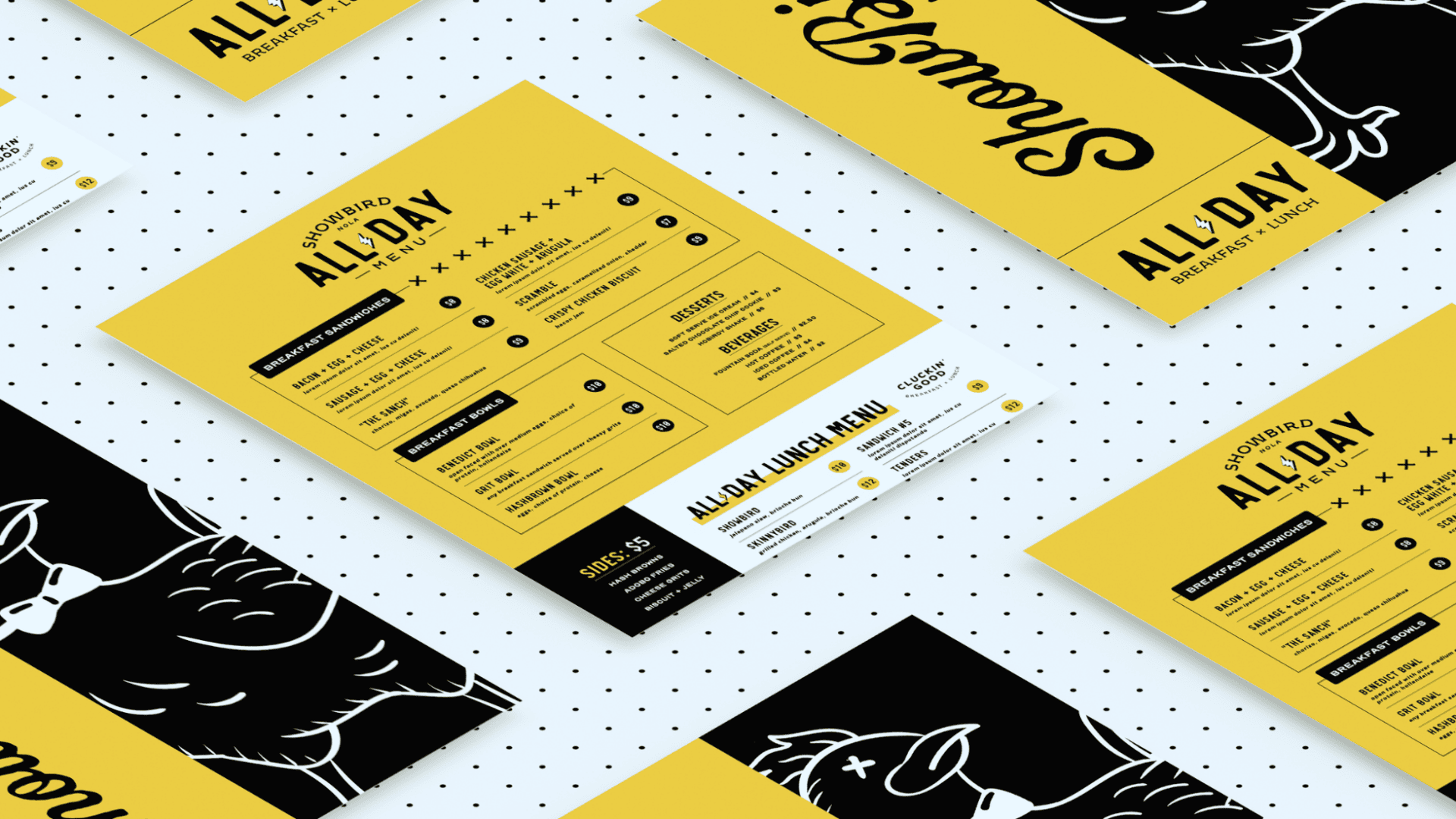
Can AI Find Your Restaurant’s Menu? Why Consistent Menu Data Matters


A restaurant menu is no longer something customers only see after they sit down. Today, it is one of the primary ways people discover, compare, and choose where to eat. Whether someone is searching on Google, browsing Apple Maps, scrolling social media, checking a delivery app, or asking ChatGPT or another AI platform for recommendations, your menu helps shape whether your restaurant appears and whether customers decide to visit.
Unfortunately, many restaurants unintentionally create confusion by displaying different menu information across multiple platforms. Prices may not match, menu items may be outdated, hours may conflict, or important dietary details may be missing. These inconsistencies create friction for customers and make it more difficult for search engines and AI systems to understand your business accurately.
As AI-powered search becomes increasingly common, maintaining clear and consistent menu information is no longer simply good customer service. It has become an important part of your restaurant's digital marketing strategy.
How Diners Search for Restaurants Today
Most customers begin their dining journey online. Some search for "best tacos near me," while others ask AI assistants for restaurants with outdoor seating, gluten-free options, or family-friendly menus. Many compare several restaurants before making a decision.
These searches often pull information from multiple sources simultaneously. Google Business Profile, restaurant websites, third-party ordering platforms, review websites, maps, and structured website data all contribute to the information customers see.
If each source tells a slightly different story, customers may hesitate. Something as simple as conflicting hours or different menu prices can reduce confidence and encourage someone to choose another restaurant instead.
AI platforms work similarly. Rather than relying on one website, they often evaluate information from numerous trusted sources to determine which restaurants best answer a user's question. When your information is consistent everywhere, those systems have greater confidence in recommending your business.
What AI Looks for When Recommending Restaurants
When someone asks an AI platform where they should eat, the system attempts to understand both the customer's request and each restaurant's offerings.
That understanding often comes from information such as cuisine type, menu categories, signature dishes, pricing, business hours, dietary accommodations, location, dine-in availability, takeout options, reservations, and customer reviews.
If your menu clearly explains these details in readable text, AI platforms can better understand your restaurant. If your menu is incomplete, hidden inside an image, or buried in an outdated PDF, much of that information becomes significantly harder to interpret.
Restaurants that clearly communicate what they serve, who they serve, and how customers can enjoy their food make it much easier for both people and AI systems to understand their business.
Why Website Menus and Third-Party Listings Must Match
Many restaurants maintain multiple versions of their menu. One may appear on the website, another on Google Business Profile, another on DoorDash or Uber Eats, and another on social media.
Problems often arise when only one version gets updated.
A new seasonal menu may appear on the website while delivery apps still show discontinued dishes. Hours may change for holidays on Google but remain outdated elsewhere. Prices may differ between platforms, leaving customers frustrated when they arrive.
Consistency builds trust. While pricing structures may legitimately differ for third-party delivery services, the overall menu organization, dish names, descriptions, availability, and restaurant information should remain aligned whenever possible.
Maintaining one master menu that serves as the source for every platform helps eliminate unnecessary discrepancies.
Structured Data Helps Search Engines Understand Your Menu
Beyond what customers see, there is also information that search engines read behind the scenes.
Structured data, often implemented using schema markup, provides organized information that helps search engines better understand restaurant details. This can include menu items, pricing, business hours, locations, events, and other important information.
Rather than forcing search engines to guess what each page contains, schema gives them clear context. Proper restaurant schema can improve how menus appear in search results and helps search engines interpret your content more accurately. Nice Branding incorporates structured data and restaurant SEO services to improve discoverability across both traditional search engines and AI-powered search experiences.
Avoid Image-Only Menus and Outdated PDFs
Many restaurants still rely on image files or downloadable PDFs as their primary menus.
While these formats may look attractive, they often create accessibility and discoverability challenges. Customers on mobile devices may struggle to zoom, search, or navigate lengthy PDF menus. Screen readers may have difficulty interpreting menu images, creating barriers for users with disabilities.
Search engines and AI platforms also have a much harder time understanding menu information that exists only inside graphics.
Whenever possible, menu information should be presented as searchable website text. Visual design can still play an important role, but readable content allows both customers and search technology to understand what your restaurant offers more effectively.
Mobile-Friendly Menus Improve Customer Experience
A significant percentage of restaurant searches happen on smartphones while customers are actively deciding where to eat.
If your menu requires excessive zooming, scrolling, downloading, or waiting for large files to load, many users simply move on.
A well-designed mobile menu should load quickly, organize categories logically, display pricing clearly, and make it easy to browse signature dishes, beverages, desserts, and dietary options.
The easier it is for customers to answer their own questions, the more likely they are to become paying guests.
Keep Every Platform Updated
Restaurants regularly introduce new menu items, seasonal offerings, limited-time specials, and revised hours.
Every change should trigger updates across all digital platforms.
This includes your restaurant website, Google Business Profile, Apple Maps, Facebook, online ordering systems, reservation platforms, delivery services, and any other directories where customers may find your business.
Creating a documented process for menu updates helps ensure consistency. Many successful restaurants designate one source of truth for menu information and establish a checklist that includes every platform whenever changes occur.
This simple habit reduces customer confusion while strengthening your restaurant's digital presence.
Build a Stronger Restaurant Presence with Nice Branding
Nice Branding specializes in helping restaurants create cohesive brands that extend across websites, menus, digital marketing, and customer experiences. Our team combines restaurant branding strategy, website design, menu design, SEO, structured data, and AI search optimization to help restaurants present consistent information across every customer touchpoint. By ensuring your menu is organized, accessible, and aligned everywhere it appears, we help your restaurant become easier for both diners and AI platforms to discover.
If your restaurant's menu information has become inconsistent across platforms or you're preparing for the future of AI-powered search, contact Nice Branding to build a stronger digital foundation that helps customers find, understand, and choose your restaurant.