Restaurant Branding in 2026: Our Top 10 Favorite Examples


Restaurant branding has never been more crucial. In 2026, with the rise of AI-driven discovery, social media influence, and customer expectations for immersive experiences, the way restaurants present themselves directly shapes guest perception and loyalty.
Here are our top 10 favorite restaurant branding examples for 2026, along with design takeaways that can help restaurants elevate their guest experience and perception.
1. Raising Cane’s
One of the most recognizable fast-casual brands in America, Raising Cane’s built its identity around a simple, focused concept: high-quality chicken fingers. Its logo and brand palette carry a consistent visual story across locations.
Takeaway: A brand rooted in authenticity and consistency increases recognition and drives emotional loyalty. Every menu, mural, and packaging piece reinforces the story.
2. Elm Street Diner
Viral sensations like Elm Street Diner demonstrate how design can drive social engagement. With bold color palettes and playful aesthetics that reflect the menu’s indulgent offerings, the diner doubles as a visual backdrop that guests love sharing online.
Takeaway: Creating Instagrammable moments strengthens word-of-mouth. Think beyond menus — design walls, signage, and furniture to invite social sharing.
3. Chez Panisse
Though a classic, Chez Panisse’s branding is a masterclass in aligning brand identity with ethos. Its logo and visual identity evoke timelessness and deep culinary values tied to local sourcing and thoughtful cooking.
Takeaway: A brand that communicates intention and heritage builds trust. Even minimalist design, when rooted in authenticity, can be powerful.
4. California Pizza Kitchen
As CPK experiments with refreshed visuals and slogans aimed at Gen Z, it shows how even established brands can innovate while honoring legacy. Their shift toward sleeker logos and cultural resonance demonstrates adaptability.
Takeaway: Evergreen brands can reinvigorate their identity without losing core essence by testing new visual elements that resonate with cultural trends.
5. Gyro Republic
Designed by Nice Branding, Gyro Republic’s identity goes beyond logo design. It shapes everything from menu boards to to-go packaging and staff attire to create a unified brand experience.
Takeaway: Cohesion matters. When every touchpoint reflects the same brand language, customers feel a seamless experience whether dining in or taking out.
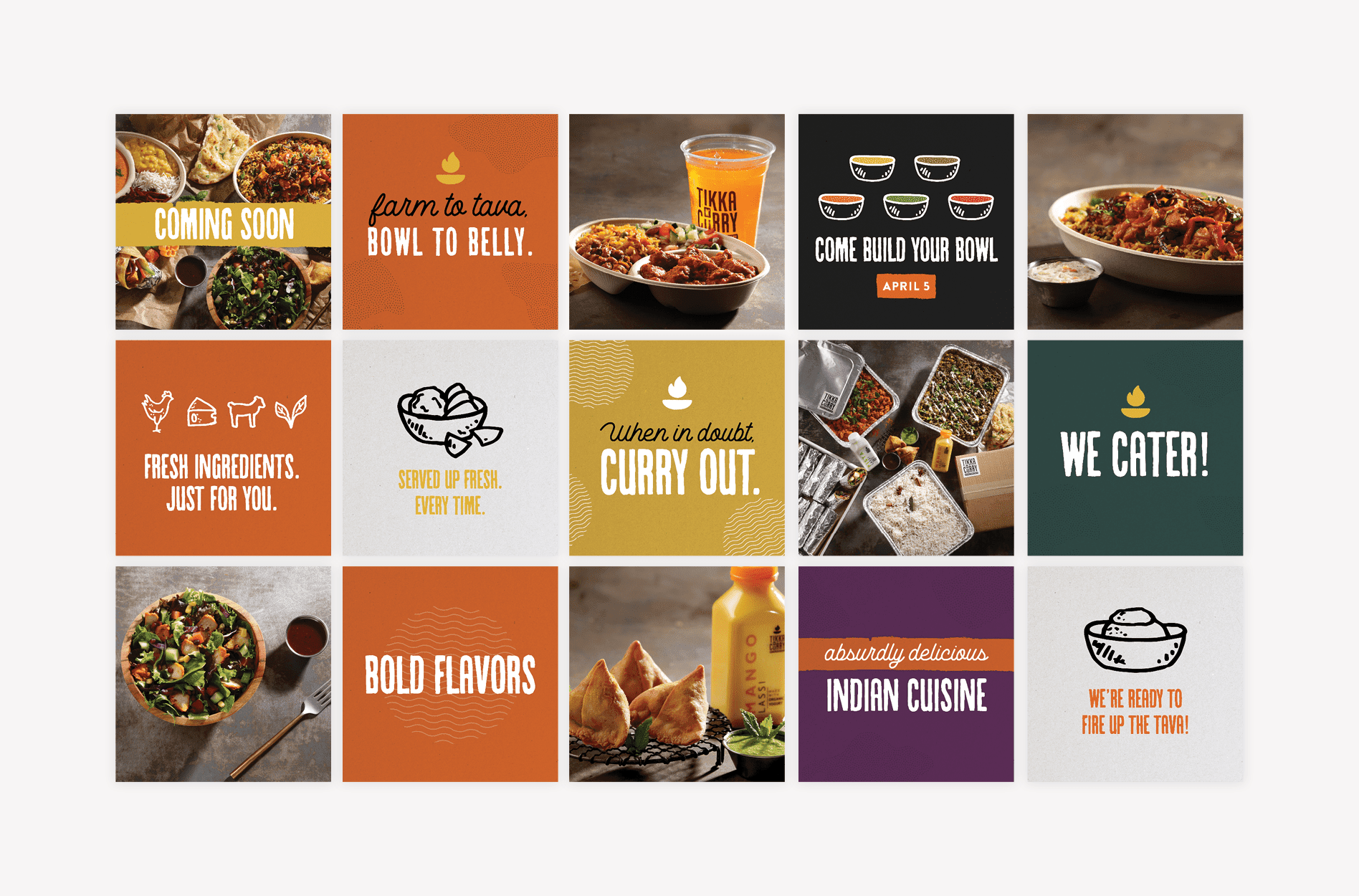
6. Tikka Shack
This project highlights brand design that reflects cultural roots while positioning a new fast-casual concept for today’s diners. Logo design choices were made with intentional ties to the cuisine’s vibrancy, blending tradition with modern simplicity.
Takeaway: Use visual storytelling to communicate not just what you serve, but why and how it matters. Cultural cues can create emotional connection and differentiation.
7. Sweetgreen
Sweetgreen continues to stand out in 2026 by treating its brand as a lifestyle platform, not just a place to eat. From its clean, minimal visual identity to its intentional in-store layouts, app experience, and storytelling around sourcing, Sweetgreen makes guests feel like they’re participating in something values-driven.
Takeaway: When your brand reflects your values as clearly as your menu, customers don’t just choose you for convenience, but because it aligns with them.
8. Cracker Barrel
Cracker Barrel’s logo and brand palette showcase how heritage restaurants can thoughtfully modernize their look. The brand balances tradition with contemporary visual language, signaling evolution.
Takeaway: Brand evolution should respect legacy while inviting new customers. Testing changes and listening to feedback helps maintain balance.
9. Fast-Casual Chains
Across the industry, many brands are embracing 50s-60s mid-century aesthetics — bold typography, handcrafted elements, and expressive illustrations — as part of design trends for 2025 and 2026. These visual styles evoke nostalgia while simulating authenticity and craft.
Takeaway: Design trends can inform your brand language, but choose elements that align with your story and audience expectations.
10. Local Independents
Many independent restaurants in 2026 are carving out distinct identities that lean into local culture and personal stories. Whether it’s a mural that celebrates local foodways or a unique naming convention that ties to community humor, these brands invite guests into an experience with meaning rather than just food.
Takeaway: Local relevance and personal touches make brands feel approachable and real. Design for people, not just style.
What Makes These Brands Stand Out in 2026
Across these examples, a few core themes emerge:
Cohesion Across Touchpoints
Successful brands are strategic and consistent, from social media and signage to menus and packaging. This cohesion reinforces memory recall and builds trust.
Storytelling Through Design
Brands that embed narrative — whether cultural heritage, culinary philosophy, or community roots — make guests emotionally invested.
Social-First Experiences
With social discovery driving dining choices, design elements that encourage sharing (like murals and strong color palettes) enhance visibility.
Balance of Trend and Timelessness
Experimenting with trends (like mid-century elements or bold typography) can refresh a brand, but anchoring those trends in timeless values ensures longevity.
Nice Branding — Bringing Restaurant Identities to Life
Nice Branding is a restaurant branding agency that helps eateries create bold, immersive brands that resonate with guests at every touchpoint. From logo design and menus to websites and interior brand implementation, Nice Branding uses a strategic approach to connect restaurants with their audiences.
If you’re ready to elevate your restaurant’s identity and create deeper connections with guests in 2026 and beyond, consider partnering with us at Nice Branding.