Restaurant Loyalty in 2026: Why Guests Want Recognition, Not Just Rewards


Restaurant loyalty programs are everywhere. Guests enter a phone number, earn points, unlock a free appetizer, receive a birthday offer, and get another promotional email a few days later. While these programs can give people a reason to return, signing up for rewards and actually feeling loyal to a restaurant are two different things.
In 2026, restaurant guests are making that distinction clear. They still appreciate discounts and perks, but they also want something more personal: to feel recognized and valued. For restaurant owners, this means loyalty should extend beyond rewards programs and become part of the overall guest experience, from the first interaction with the brand to the way a returning customer is welcomed at the door.
Restaurant Loyalty Is About More Than Points
Toast's April 2026 Regulars Report found that 48% of surveyed diners said staff remembering their name or usual order made them feel most valued at a restaurant, compared to just 22% who selected points-based rewards programs. Perhaps even more revealing, only 30% said they always feel recognized at restaurants they visit regularly. The findings came from an April 2026 survey of 1,500 U.S. adults who dine out or order in at least twice per month.
These findings don't suggest that restaurant loyalty programs are ineffective. Rather, they highlight the difference between encouraging another purchase and building a genuine connection with a guest. Someone can accumulate hundreds of loyalty points and still feel like a stranger every time they visit. While rewards provide a tangible incentive to return, recognition can strengthen the emotional connection that makes customers want to choose a particular restaurant over its competitors.
For restaurant owners, the opportunity is to use rewards as one component of a broader loyalty strategy that prioritizes hospitality, personalized experiences, and consistent brand interactions.
What Does Recognition Look Like in a Restaurant?
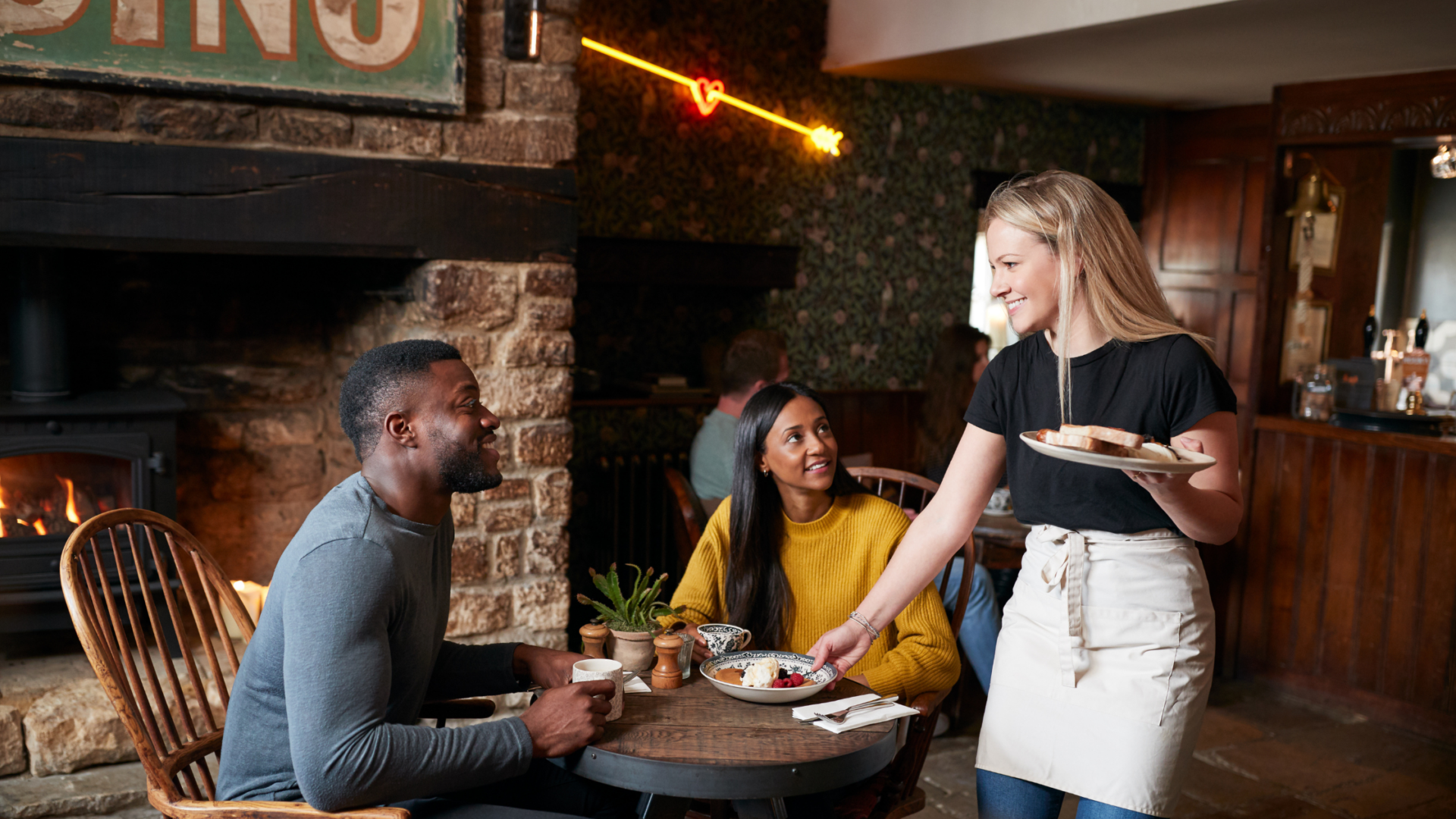
Creating a sense of recognition doesn't require an elaborate VIP program or expensive technology. Sometimes, it's as simple as a host remembering someone's preferred table, a server recognizing a familiar face, or a bartender recalling a regular customer's favorite drink. Remembering a birthday, anniversary, or previous dining experience can also make guests feel that their relationship with the restaurant extends beyond an individual transaction.
These interactions may seem small, but they contribute to the overall impression guests associate with a restaurant. They also reinforce an important element of effective restaurant branding: creating a distinctive, memorable experience that people want to return to.
The importance of emotional connection is reflected in OpenTable's 2026 Restaurant Dining Trends Report, which found that 78% of surveyed Americans agreed that dining out is a way to feel connected to others. The findings were based on a September 2025 survey of 1,527 U.S. respondents.
Restaurants provide the setting for birthdays, anniversaries, date nights, family dinners, and everyday gatherings. While food and service remain essential, the atmosphere, interactions, and overall experience surrounding those occasions can play an equally important role in shaping how guests remember a restaurant.
Use Guest Data to Improve Hospitality, Not Just Send Promotions
Reservation systems, online ordering platforms, and loyalty programs give restaurants access to valuable information about their customers. From ordering preferences and visit frequency to special occasions and purchasing habits, these insights can help businesses better understand their guests and create more relevant experiences.
In a separate survey, Toast found that 49% of diners wanted loyalty perks tailored to their preferences, while 48% were interested in personalized discounts based on their ordering history. This suggests that customers appreciate offers and experiences that reflect their individual interests rather than generic promotions sent to everyone.
However, effective personalization requires thoughtful execution. Restaurants should use guest information to improve hospitality without making customers uncomfortable or creating the impression that every interaction is being monitored. A regular brunch customer, for example, might appreciate an offer related to a favorite menu item, while someone celebrating an anniversary could receive a personalized message or thoughtful acknowledgment during their visit.
The value of customer data comes from how restaurants use it to create relevant, considerate interactions. When technology helps staff understand guest preferences and communicate more effectively, it becomes a tool for strengthening relationships rather than simply generating additional promotional messages.
Your Loyalty Marketing Should Sound Like Your Restaurant
The guest experience doesn't end when someone pays their bill. Emails, text messages, loyalty notifications, and promotional offers all contribute to how customers perceive a restaurant after their visit. These communications should feel like a natural extension of the brand rather than interchangeable messages that could have come from any business.
A neighborhood burger restaurant, upscale steakhouse, and playful taco concept should not communicate with customers in exactly the same way. Their messaging, photography, promotions, and overall personality should reflect the atmosphere and experience guests associate with each establishment. A casual restaurant might use conversational language and playful offers, while a more elevated dining concept may benefit from refined messaging that emphasizes hospitality, exclusivity, and thoughtful experiences.
This is where restaurant marketing strategy and brand strategy need to work together. When a restaurant has invested in developing a recognizable identity, its loyalty communications should reinforce that identity rather than contradict it.
For example, an upscale restaurant known for attentive service and an elevated dining experience may weaken its positioning by sending constant, generic discount messages. A more personalized approach that acknowledges guest preferences, introduces seasonal experiences, or offers thoughtful invitations may be more consistent with the brand.
Every communication is another opportunity to reinforce what makes a restaurant distinctive and remind guests why they enjoyed their previous experience.
Connect the Digital Guest Profile With the In-Person Experience
Restaurant technology is most valuable when it supports the hospitality experience rather than operating separately from it. A reservation system might identify a repeat guest, a loyalty platform may highlight purchasing patterns, and an online ordering account can reveal favorite menu items. When used appropriately, these insights can help staff provide more attentive, personalized service.
This connection is especially important because a guest's digital and in-person experiences are increasingly intertwined. Someone may discover a restaurant through social media, browse its restaurant website, make a reservation online, join a loyalty program after dinner, and receive a follow-up email the following week. Each interaction contributes to their overall perception of the restaurant.
Ideally, these touchpoints should feel consistent with one another. The brand personality communicated through the website and social media should match the atmosphere guests encounter when they arrive, while loyalty communications should reflect the same level of care and attention they experience during their visit.
As we've discussed in our article about why a restaurant's online brand matters, consistency across digital and physical touchpoints helps create a recognizable customer experience. Loyalty provides another opportunity to strengthen that connection by ensuring guests encounter the same brand personality and commitment to hospitality wherever they interact with the restaurant.
Loyalty Programs Still Have an Important Role
Although recognition and personalized hospitality are essential, traditional loyalty programs continue to provide value for restaurants and their customers. Rewards, discounts, and exclusive offers can encourage repeat visits, particularly when diners are paying closer attention to their spending.
According to OpenTable's 2026 dining trends research, 51% of surveyed Americans wanted restaurants to offer more happy hours and value promotions in 2026. This reinforces the importance of providing tangible incentives alongside the emotional benefits of a positive dining experience.
Rather than treating rewards and recognition as competing strategies, restaurants can combine them to create a more comprehensive approach to loyalty. A program might offer personalized rewards based on favorite menu items, recognize customer milestones, or provide incentives that reflect how frequently someone visits. Loyalty data can also help restaurants identify regular guests and create opportunities for staff to acknowledge them during future visits.
The goal is to make rewards feel like an extension of the restaurant's hospitality rather than a separate marketing system. When incentives are relevant, thoughtfully communicated, and consistent with the brand, they can encourage repeat business while reinforcing the relationships that make guests feel valued.
Build a Direct Relationship With Your Guests
A strong loyalty strategy also helps restaurants develop more direct relationships with their customers. While third-party discovery, reservation, and online ordering platforms are valuable for attracting diners, restaurants benefit from maintaining their own communication channels through websites, email lists, and loyalty programs.
These direct connections give restaurants opportunities to better understand customer preferences, communicate upcoming experiences, and encourage return visits without relying exclusively on outside platforms. They can also help businesses maintain a more consistent relationship with guests between visits.
However, building a customer database is only useful when the restaurant provides a reason for people to stay engaged. Guests who share their contact information are giving the business an opportunity to continue the relationship, and frequent generic promotions can quickly diminish that goodwill.
Instead, restaurants should focus on communications that provide genuine value, whether through relevant updates, personalized invitations, exclusive experiences, or information that reflects the interests of their audience. The objective is to maintain a meaningful relationship with guests rather than simply increase the volume of marketing messages they receive.
Measure Loyalty by What Guests Actually Do
Loyalty program enrollment is one of the easiest metrics for restaurants to track, but the number of registered members doesn't necessarily indicate whether customers are developing stronger relationships with the business. A restaurant could attract thousands of loyalty signups without seeing meaningful improvements in repeat visits or customer engagement.
To better understand the effectiveness of a loyalty strategy, restaurants should evaluate customer behavior over time. Repeat visit frequency, customer retention, loyalty member engagement, and purchasing patterns can provide a clearer picture of whether guests are returning and maintaining an active relationship with the brand.
Restaurants can also examine which promotions encourage additional visits, whether occasional customers are becoming regulars, and how different segments of their audience respond to personalized communication. These insights can help businesses refine their approach without relying too heavily on discounts or promotions that may reduce profitability.
Ultimately, successful restaurant loyalty should be measured by the strength and longevity of customer relationships, not simply the number of people enrolled in a rewards program.
Create a Restaurant People Want to Come Back To
Building lasting restaurant loyalty requires more than points, discounts, and promotional campaigns. While rewards can encourage another visit and technology can provide useful customer insights, neither replaces the value of thoughtful hospitality or a memorable brand experience.
The strongest loyalty strategies bring these elements together. A recognizable restaurant identity creates expectations, consistent marketing reinforces those expectations, and personalized hospitality brings the brand to life. When guests receive the same level of attention and care across online interactions, promotional communications, and in-person visits, they have more reasons to develop a lasting connection with the restaurant.
For restaurant owners, this means considering loyalty as part of the broader customer experience rather than a standalone marketing initiative. The objective is to create a restaurant that guests remember, feel connected to, and genuinely want to revisit.
At Nice Branding Agency, we build restaurant brands around the complete customer experience, from strategy and visual identity to websites, menus, restaurant materials, and marketing. Explore our restaurant branding services to learn how we can help create a memorable brand that keeps guests coming back.