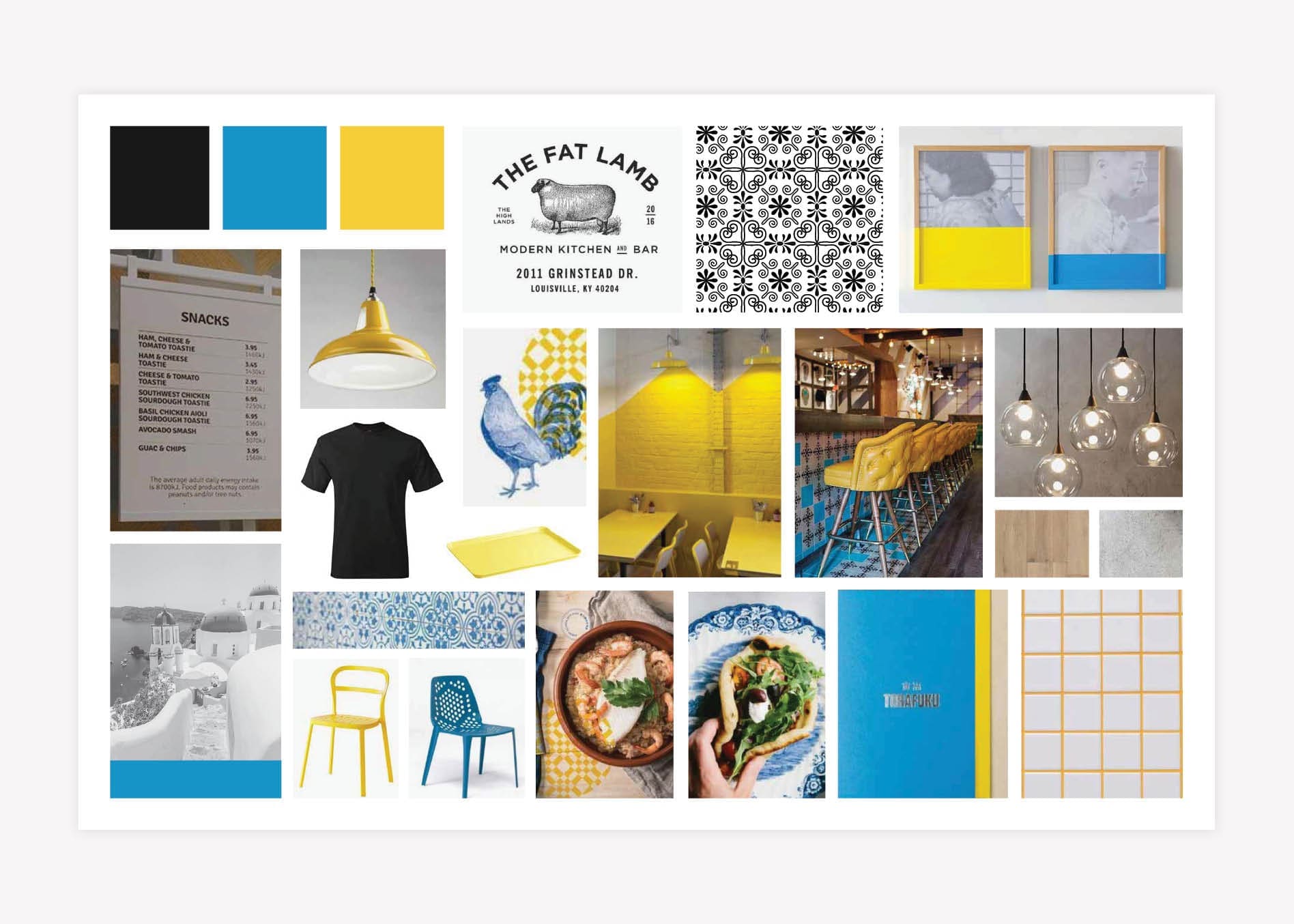
The “Vibe First” Era of Restaurant Marketing


Not long ago, most diners chose a restaurant based on food quality, pricing, or location. While those factors still matter, today's consumers often make their decisions long before they ever look at a menu. Instead, they are evaluating atmosphere, aesthetics, social media presence, interior design, and the overall feeling a restaurant creates.
This has ushered in what many marketers call the "vibe first" era of restaurant marketing. A restaurant's visual identity and personality are no longer secondary considerations. They have become a primary driver of discovery, engagement, and customer loyalty.
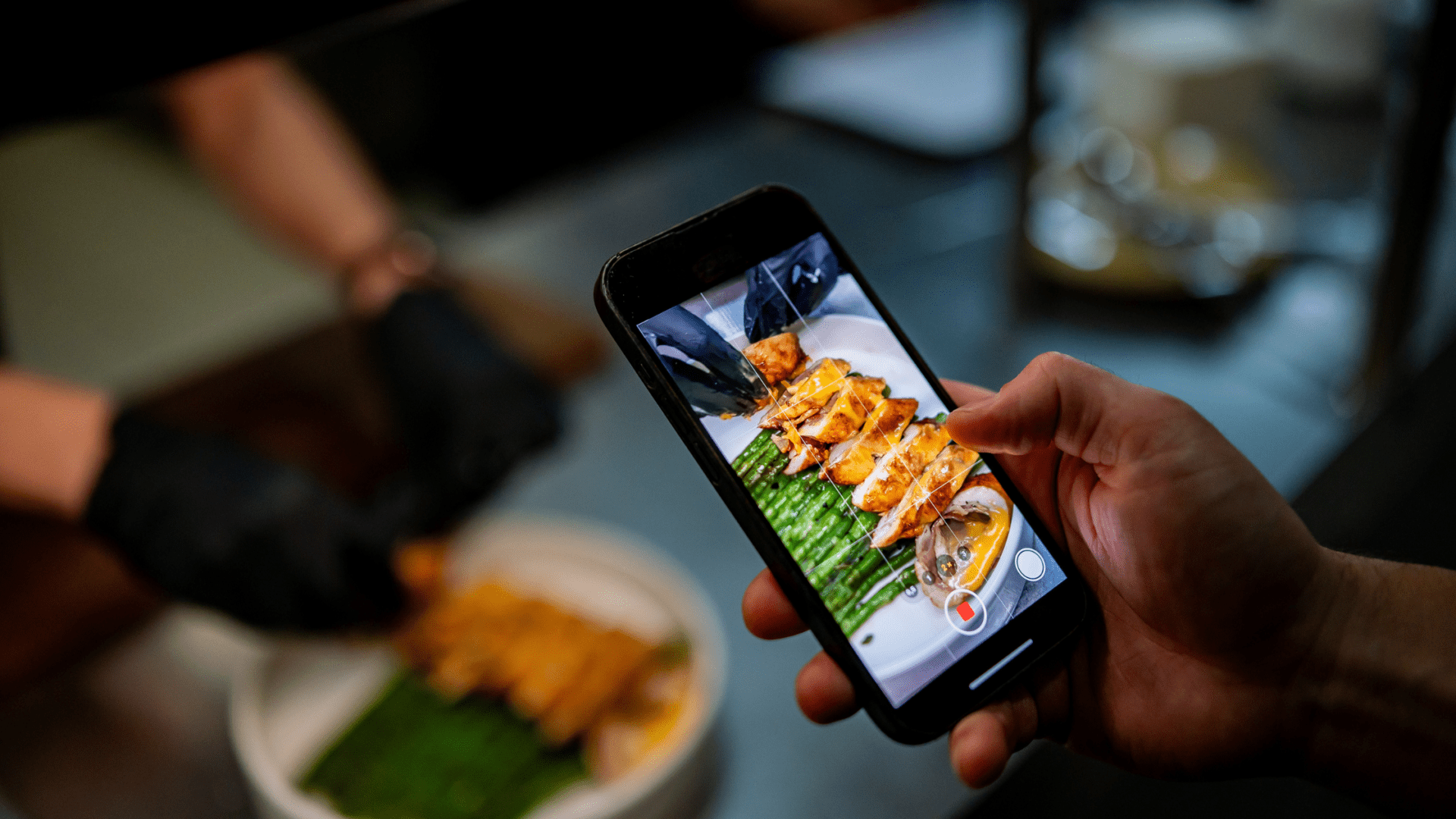
Consumers now encounter restaurants through Instagram posts, TikTok videos, Google Business Profiles, online reviews, and user-generated content. In many cases, a potential customer's first impression comes from a photo or video rather than a menu or website. As a result, the restaurants that create memorable, shareable experiences are often the ones earning the most attention.
Social Media Has Become the New Storefront
For many restaurants, social media serves as the modern equivalent of a storefront window. Before driving across town or making a reservation, potential guests scroll through photos, videos, reviews, and tagged customer content.
Platforms like Instagram and TikTok have fundamentally changed how consumers discover new places to eat. A visually appealing dining room, unique lighting feature, signature mural, or creative plating presentation can generate thousands of impressions online. In many cases, consumers are not searching for food first. They are searching for experiences worth sharing.
Restaurant owners who once focused primarily on menu engineering now find themselves considering factors such as photo opportunities, environmental branding, and visual storytelling. The physical space has become part of the marketing strategy.
This trend aligns with the growing importance of restaurant branding. A restaurant's identity extends beyond its logo and menu design. It includes every customer touchpoint, from the exterior signage to the dining room atmosphere to the social content guests share after their visit.
Why Atmosphere Influences Purchasing Decisions
When people browse restaurant photos online, they are evaluating far more than food. They are assessing whether the restaurant feels casual or upscale, energetic or intimate, trendy or traditional. They are imagining themselves in the environment before they ever arrive.
Research involving restaurant review platforms has shown that visual content plays a significant role in shaping perceptions of restaurant style, ambiance, and suitability for different occasions. User-generated photos often provide immediate impressions that influence decision-making.
This explains why two restaurants serving similar menus can achieve dramatically different levels of popularity. One may simply have a stronger identity and a more memorable customer experience.
People frequently choose restaurants for celebrations, date nights, business meetings, and social gatherings. In those situations, atmosphere becomes just as important as food quality because the experience itself is part of the purchase.
The Rise of Brand Personality in Hospitality
Consumers increasingly gravitate toward brands that feel authentic and distinctive. Generic restaurant concepts often struggle to gain traction because they blend into an overcrowded market.
Successful restaurant brands communicate a clear personality. Whether it's playful, sophisticated, nostalgic, adventurous, or community-focused, the brand creates an emotional connection that extends beyond the meal itself.
Strong branding helps restaurants tell a story. It gives customers something to remember and something to talk about.
A successful restaurant brand encompasses far more than visual design. It includes personality, values, messaging, environmental design, and the overall experience guests associate with the business. The most effective brands create consistency across every interaction customers have with the restaurant.
Reviews, Photos, and Trust Signals Matter More Than Ever
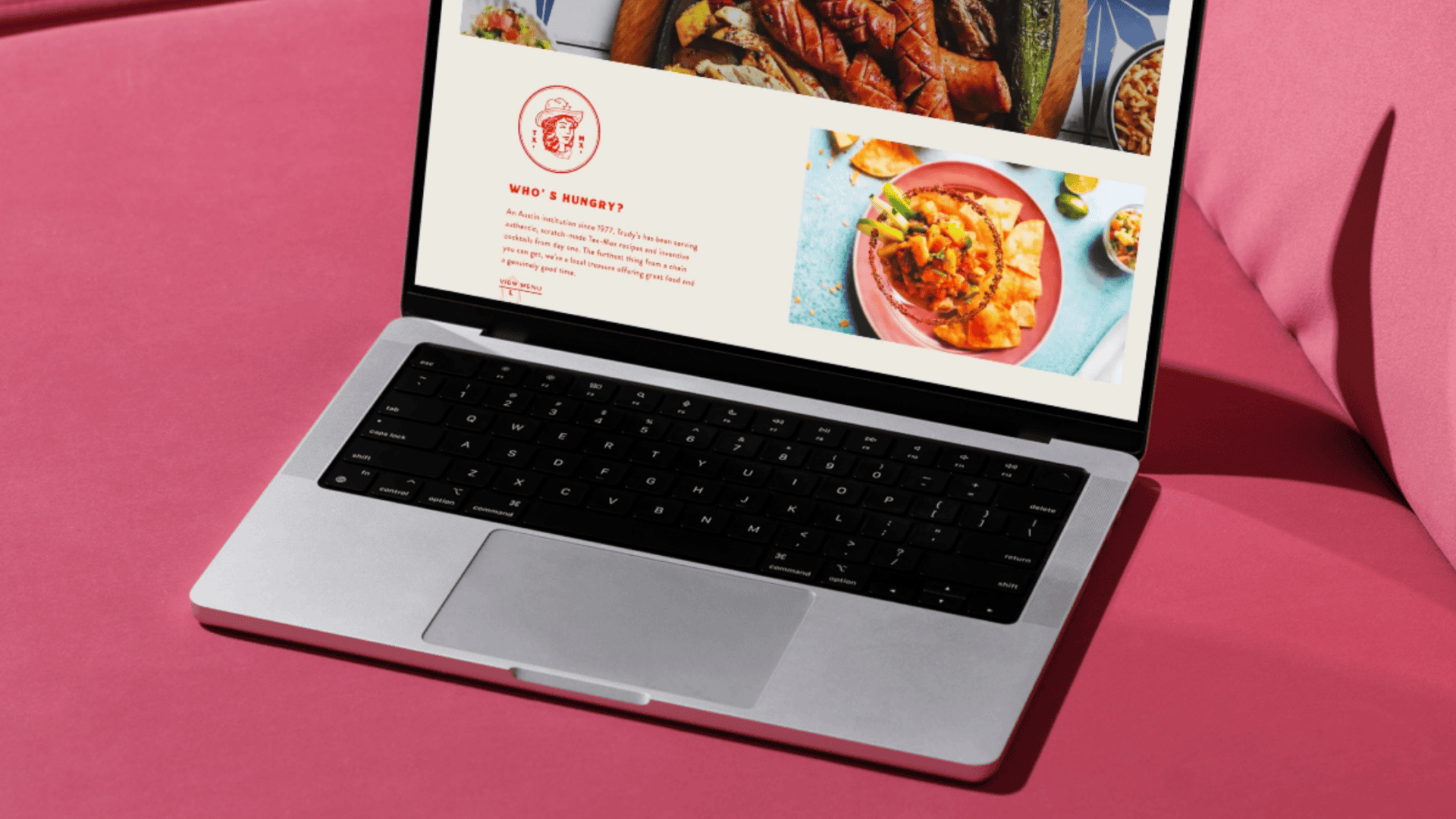
The modern discovery process often involves multiple touchpoints. A customer may first see a restaurant on social media, then visit Google to read reviews, browse customer photos, check the website, and compare alternatives before making a decision.
This extended research process means restaurants must maintain consistency across all channels. A beautifully designed dining room will not generate maximum impact if online photos are outdated or if branding varies across platforms.
Online reviews also play a critical role in reinforcing or contradicting the image a restaurant presents. Consumers increasingly rely on the experiences of others when making dining decisions. While food remains important, reviews frequently mention service, atmosphere, cleanliness, and overall experience.
Restaurants that actively manage their brand presence are often better positioned to build trust and create a cohesive customer journey.
How Nice Branding Helps Restaurants Create Memorable Brands
As restaurant competition continues to intensify, creating a distinctive brand has become more important than ever. Nice Branding specializes in restaurant brand positioning, logo development, menu design, website design, interior branding, and marketing support designed specifically for the restaurant industry. Our approach focuses on uncovering the personality and voice of a restaurant before developing the visual and experiential elements that bring the concept to life.
Whether you're launching a new restaurant concept or refreshing an existing brand, working with experienced restaurant branding professionals can help create the kind of memorable experience today's diners are actively seeking. Visit Nice Branding to learn more about our restaurant branding services and how we help restaurants build brands that stand out in a crowded market.