Why YouTube Leads AI Citations and What It Means for Restaurant Marketing


As artificial intelligence tools continue to shape how people search for information, one trend has become increasingly clear: platforms like YouTube and Reddit are being cited more frequently than traditional websites.
In simple terms, AI tools are pulling answers from places where real people share real experiences. That includes videos, conversations, reviews, and firsthand insights. Instead of relying solely on written blog content, AI is prioritizing sources that demonstrate authenticity and context.
YouTube, in particular, stands out because it combines visual proof, storytelling, and engagement. A video showing a dish being prepared or a dining room during peak hours provides far more context than a paragraph describing it. AI recognizes this and increasingly surfaces video-based content in responses.
For restaurants, this shift is significant. It means that your visibility is no longer just about ranking on search engines. It is about showing up where AI is looking for answers.
Why YouTube Dominates AI Citations
There are a few key reasons why YouTube is leading the way when it comes to AI-referenced content.
First, video content offers clarity. A user asking about the “best brunch spot” is not just looking for a list. They want to see the food, the environment, and the overall experience. YouTube provides all of that in one place.
Second, engagement signals matter. Videos with views, comments, and shares indicate that real people find the content valuable. AI systems interpret this as a sign of credibility and relevance.
Third, YouTube content is highly searchable and structured. Titles, descriptions, and transcripts give AI multiple ways to understand and extract information from a single video.
Finally, consistency plays a role. Restaurants or creators who regularly post content build a stronger digital footprint, making it easier for AI to recognize them as a trusted source.
What This Means for Restaurant Marketing
For restaurant owners and marketers, this shift changes how visibility works. It is no longer enough to rely on static content like menus or occasional blog posts. AI is rewarding businesses that actively show their story.
This means restaurants need to think beyond traditional marketing channels. The question is no longer just “How do we rank on Google?” but “How do we show up in AI-generated answers?”
When AI tools recommend a restaurant, they are often pulling from content that demonstrates experience. A well-produced or even casually authentic video can influence whether your restaurant is mentioned or overlooked.
It also means that brand perception is increasingly shaped by what people see, not just what they read. A restaurant with engaging video content feels more real, more trustworthy, and more memorable.
The Opportunity: Turning Your Restaurant Into Content
The good news is that restaurants are naturally positioned to succeed in this environment. Few industries have as much built-in visual appeal and storytelling potential.
Food is inherently engaging. The preparation process, the final presentation, and the reactions from customers all create compelling content opportunities.
Behind-the-scenes footage can showcase the care and craftsmanship that goes into each dish. This not only builds trust but also differentiates your brand from competitors who rely solely on polished marketing images.
Capturing the atmosphere of your space is another powerful approach. A short video showing a busy Friday night, live music, or a relaxed brunch setting communicates your brand identity instantly.
Staff introductions and chef features can humanize your business. When customers feel connected to the people behind the restaurant, they are more likely to choose you.
Even simple content, like highlighting a daily special or walking through a new menu item, can have a meaningful impact. The goal is not perfection. It is authenticity and consistency.
Types of Videos Restaurants Should Be Creating
Restaurants do not need a full production team to succeed with video content. What matters most is capturing moments that reflect the real experience.
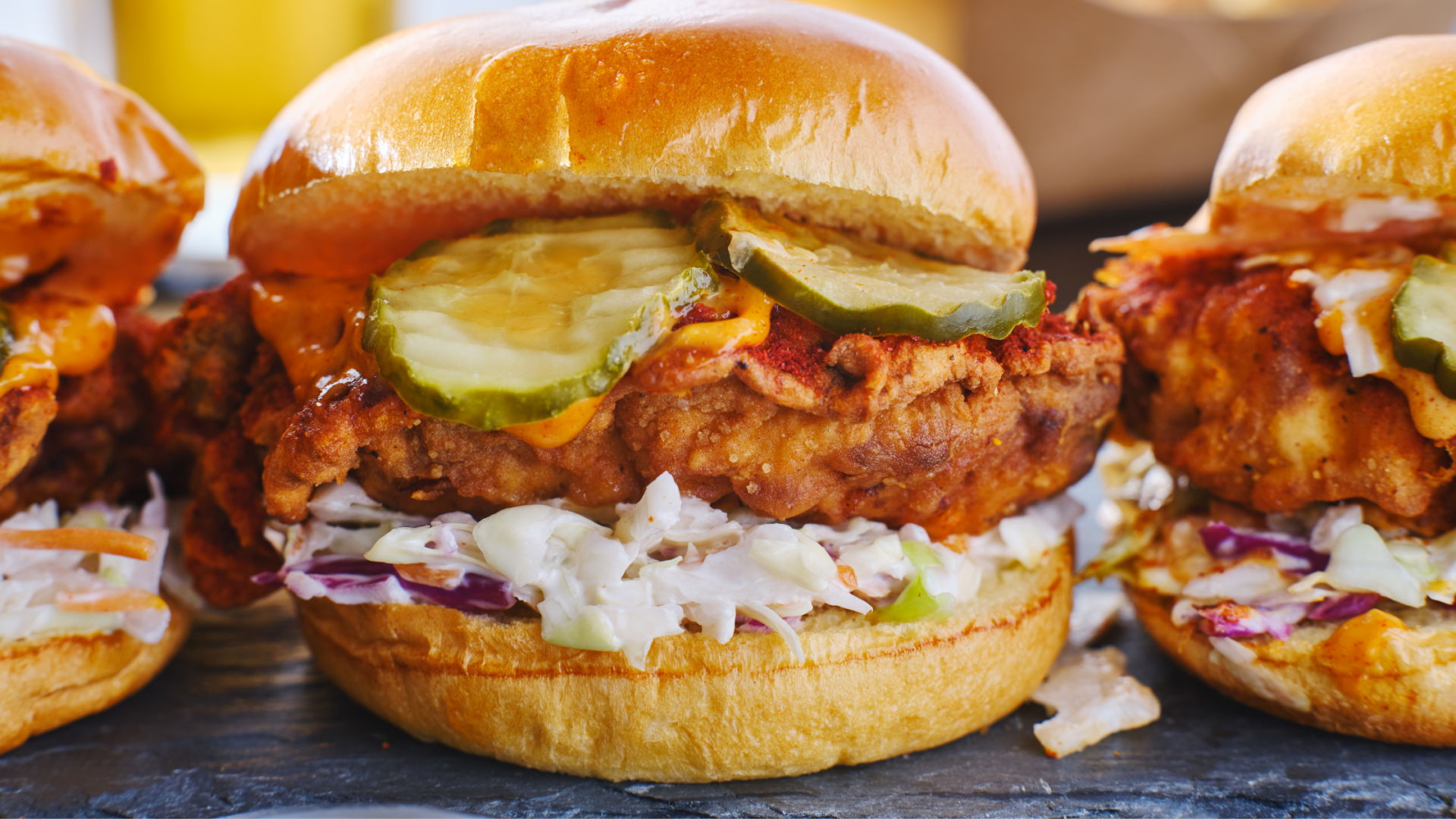
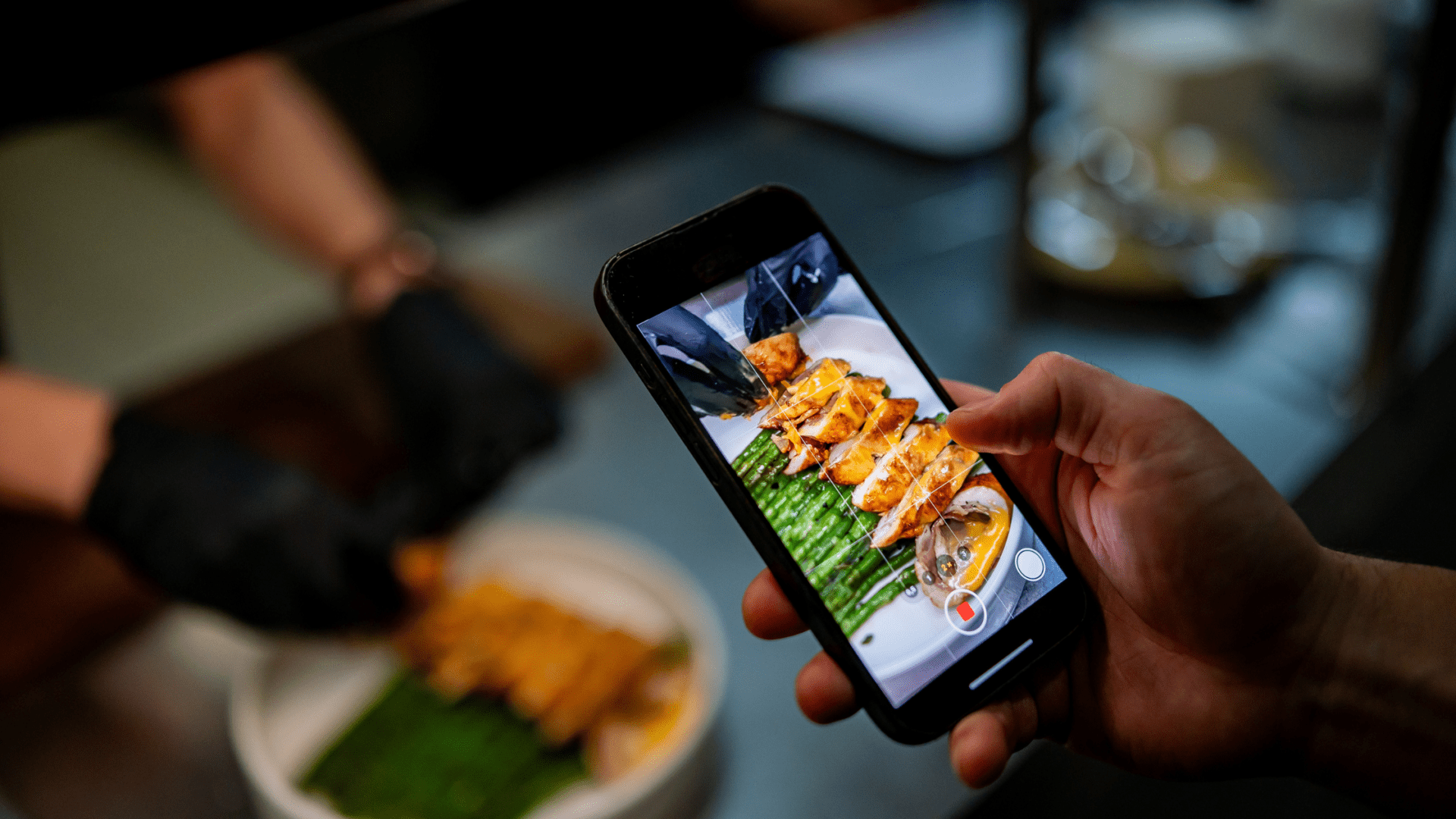
Food-focused videos are an obvious starting point. Showing dishes being plated, close-ups of textures, and final presentations helps viewers imagine the experience before they even visit.
Behind-the-scenes content adds depth. Filming prep work in the kitchen, sourcing ingredients, or team collaboration gives audiences insight into your process.
Atmosphere-driven videos are equally important. Highlighting your dining space, lighting, music, and customer interactions helps communicate your brand’s vibe.
Customer experience content can also be powerful. Featuring reactions, testimonials, or even user-generated content builds credibility and relatability.
Seasonal or event-based videos create urgency. Limited-time menus, holiday specials, or special events give people a reason to engage and visit.
The key is to create a steady stream of content that reflects different aspects of your restaurant. Over time, this builds a library of material that AI can reference.
How AI Changes the Way People Discover Restaurants
Traditionally, people searched for restaurants by typing keywords like “best Italian restaurant near me.” Today, discovery is becoming more conversational.
Users are asking AI tools questions like “Where should I go for a fun date night?” or “What’s a good place with a lively atmosphere and great cocktails?”
These types of questions require more than a list of options. They require context, personality, and proof. This is where video content becomes critical.
AI is more likely to recommend restaurants that have content demonstrating these qualities. A video showing a vibrant dining room or a bartender crafting cocktails provides the kind of detail AI needs to make a confident recommendation.
This means that restaurants investing in video are not just creating content. They are shaping how AI understands and represents their brand.
Building a Strategy That Aligns With AI Trends
To take advantage of this shift, restaurants need a clear approach to content creation.
Consistency should be a priority. Posting regularly helps build visibility and signals to AI that your brand is active and relevant.
Content should be intentional but not overly polished. Authenticity often performs better than perfection, especially when it reflects the real experience.
It is also important to think about storytelling. Each video should answer a question or highlight a specific aspect of your restaurant.
Finally, distribution matters. While YouTube is a key platform, repurposing content across social channels can expand your reach and reinforce your presence.
The goal is to create a cohesive digital footprint that AI can easily interpret and reference.
How Nice Branding Helps Restaurants Stay Ahead
Nice Branding focuses on helping restaurants build memorable, experience-driven brands. Our approach goes beyond traditional marketing by aligning visual identity, messaging, and content strategy with how consumers actually search and engage.
By understanding how platforms like YouTube influence AI citations, Nice Branding helps restaurants create content that not only looks great but also performs in today’s evolving digital landscape. From brand development to content direction, our team helps restaurants turn everyday moments into meaningful marketing assets.If you are looking to position your restaurant for the future of search and discovery, contact Nice Branding today.